


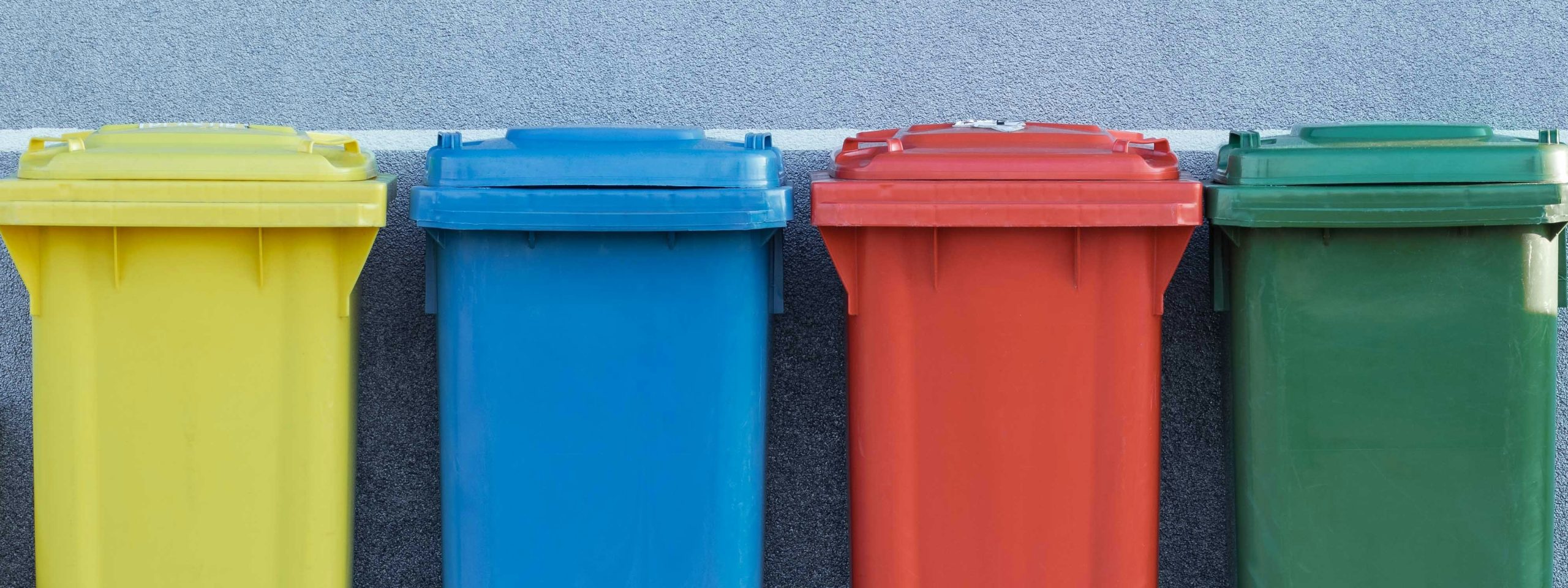
Sorting & Disposal Guide
Sorting keeps useful materials out of the landfill, reduces contamination in recycling and helps the municipality manage costs and services.
Not sure where something goes? Use the widget below and the “What Goes Where” tab to search for items and find the right disposal method.
You can place the following materials in your garbage bags for curbside collection:
- All pet waste, including kitty litter, pet waste bags & pet shavings
- Diapers
- Tooth, hair, lint & paint brushes
- Broken toys (must fit inside garbage bag & weigh less than 25lbs)
- Crayons, markers, pens & pencils
- Pots & pans
- Ceramics (cups, plates, bowls)
- Plastic strapping
- Dryer lint
- Photos and photo albums
- Used tissues & Kleenex
- Vacuum bags & filters
- CDs, DVDs, VHS Tapes (not cases)
- Bandages & Gauze
- Broken glass and sharp objects (boxed, labeled & placed inside garbage bag)
- Ashes & used fireworks (must be cold)
- Soft & hardcover books
Blue bag collection takes place every two weeks for residents with curbside collection service. There is no limit to the number of regular-sized transparent blue bags you can place at the curb on your scheduled collection week.
Recyclable materials must be separated into two blue bags: bag #1 for containers and plastics, bag #2 for paper products and fibre.
You can place the following clean and empty items in Blue Bag #1 for Containers and Plastics:
- Plastic containers
- Plastic film
- Paper laminate packaging
- Cartons
- Metal
- Aluminum (foils and trays)
You can place clean, dry paper and cardboard items in Blue Bag #2 for Paper Products:
- Cardboard
- Boxboard
- Paper
- Paper laminate packaging
For more information, including examples of what belongs in each blue bag and recycling tips, please visit Circular Materials’ recyclable materials list for Nova Scotia.
Nova Scotia Depot Material Guide
Residents also have the option to recycle even more materials. These materials can be dropped off at select Drop-Off locations across Nova Scotia. To locate a participating drop-off location near you, visit Nova Scotia Depots.
Materials accepted:
- Aerosol containers
- Flexible plastics
- Foam packaging
Requirements for Drop-Off Locations
- Keep the new drop-off materials separated from your refundable beverage containers.
- Sort materials by material type. The drop-off location may not accept materials that have not been sorted by material type.
- Drop off materials in transparent blue or clear bags.
- Make sure materials are clean and dry.
- Make sure aerosol containers are empty.
You can place the following materials in your green cart for curbside collection:
- All food waste and table scraps
- Meat, shellfish, fish, poultry, eggs, & bones
- Nuts and nut shells
- Mayonnaise, salad dressing, jam, sauces, syrups & sandwich spreads
- Dairy products
- Vegetables & fruit
- Bread and baked goods
- Grains, pasta & rice
- Cooking oil, grease & lard
- Coffee grounds, filters, tea leaves, & teabags
- Paper plates & paper cups (uncoated)
- Used paper towels & napkins
Do NOT place these materials in your green cart:
- Sharps (needles, lancets, syringes, etc.)
- Corrugated cardboard
- Wax paper
- Ashes
- Sods
- Pet waste
- Coffee cups or beverage cups
- Plastic
- Glass or metal
- Garbage bags
- Milk cartons
- Branches larger than 1 inch in diameter
You can manage leaf and yard waste in several ways:
- Place small amounts in your green cart with other organic waste.
- Drop off larger amounts at one of the three seasonal leaf and yard waste sites (mid-May to mid-November).
- Drop off leaf and yard waste year-round at the Waste Management Facility.
- Compost at home through backyard composting, grass cycling or leaf cycling.
Only small amounts of leaf and yard waste should go in your green cart for curbside collection, including:
- Grass clippings
- Leaves from trees and plants
- Garden and plant waste
- Small branches and twigs (less than 1 inch in diameter)
- Brush and hedge clippings
Do NOT place these yard wastes in your green cart:
- Tree branches or limbs larger than 1 inch
- Tree stumps or logs
- Sods*, soil, sand, rocks or bricks
- Treated or painted wood
*Sods are not accepted at seasonal drop-off sites and must be dropped off at the Waste Management Facility.
If your green cart is full or materials are too large, take them to the Waste Management Facility (year-round) or one of the seasonal leaf and yard drop-off sites. See Contact & Facility Information.
Batteries, chemicals and other hazardous waste must not be placed in the garbage, green cart or blue bags. These items are hazardous and pose a serious risk during the collection, processing, or storage of waste materials at our facilities.
Examples of hazardous materials that must NOT be placed in the garbage, green cart or blue bags:
- Batteries (including lithium-ion, alkaline, and button cell)
- Flammable liquids (like gasoline or solvents)
- Paint and paint thinners
- Cleaning products and pesticides
- Mercury-containing items (such as thermometers or light bulbs)
Keep yourself and others safe by disposing of needles, syringes, lancets, auto-injectors and infusion devices properly.
To safely dispose of sharps:
- Pick up a free Safe Sharps container at your local community pharmacy.
- Place used sharps directly into the container. Never remove, bend, or recap needles used by someone else.
- When the container is almost full, seal the lid securely.
- Return the sealed container to your pharmacy for safe disposal.
- Request a new container if needed.
Important safety notes:
- Never place used sharps in the garbage, blue bags, or green carts.
- Do not put sharps in plastic bottles, jugs or flush them down the toilet.
- Do not put anything other than sharps info a sharps container.
- If you are accidentally pricked by a used needle, seek immediate medical attention. Needle stick injuries can cause infections or diseases.
The Safe Sharps Program is for residential use and is funded by Nova Scotia’s pharmacies, sharps manufacturers and medication distributors. Learn more about the Medication & Sharps Disposal Program.
If your organization generates used sharps, please contact a professional association or licensed waste service provider for disposal options.
Several provincial and industry-led recycling programs help keep valuable materials out of landfills. These items are not accepted in curbside garbage, blue bags, or green carts.
- Battery Recycling Program - Batteries can be returned through retail take-back programs and drop-off locations.
- Beverage Container Recycling Program - Refundable beverage containers can be returned to any ENVIRO-DEPOT™ for refund.
- Electronics Recycling Program - Old and unwanted electronics can be dropped off at approved collection locations.
- Paint Recycling Program - Unused paint and empty paint cans must be taken to approved drop-off locations.
- Light Recycling Program - Used lights and bulbs must be recycled through designated collection sites.
- Used Oil and Glycol Program - Used oil and glycol must be taken to approved recycling depots.
- Safe Sharps Program - Needles, lancets, and other sharps should be placed in approved sharps containers and returned to pharmacies.
- Used Medication Disposal Program - Unused or expired medications should be returned to your local pharmacy.
- Tire Recycling Program - Used tires can be dropped off at approved tire recycling locations.